Future Mobility
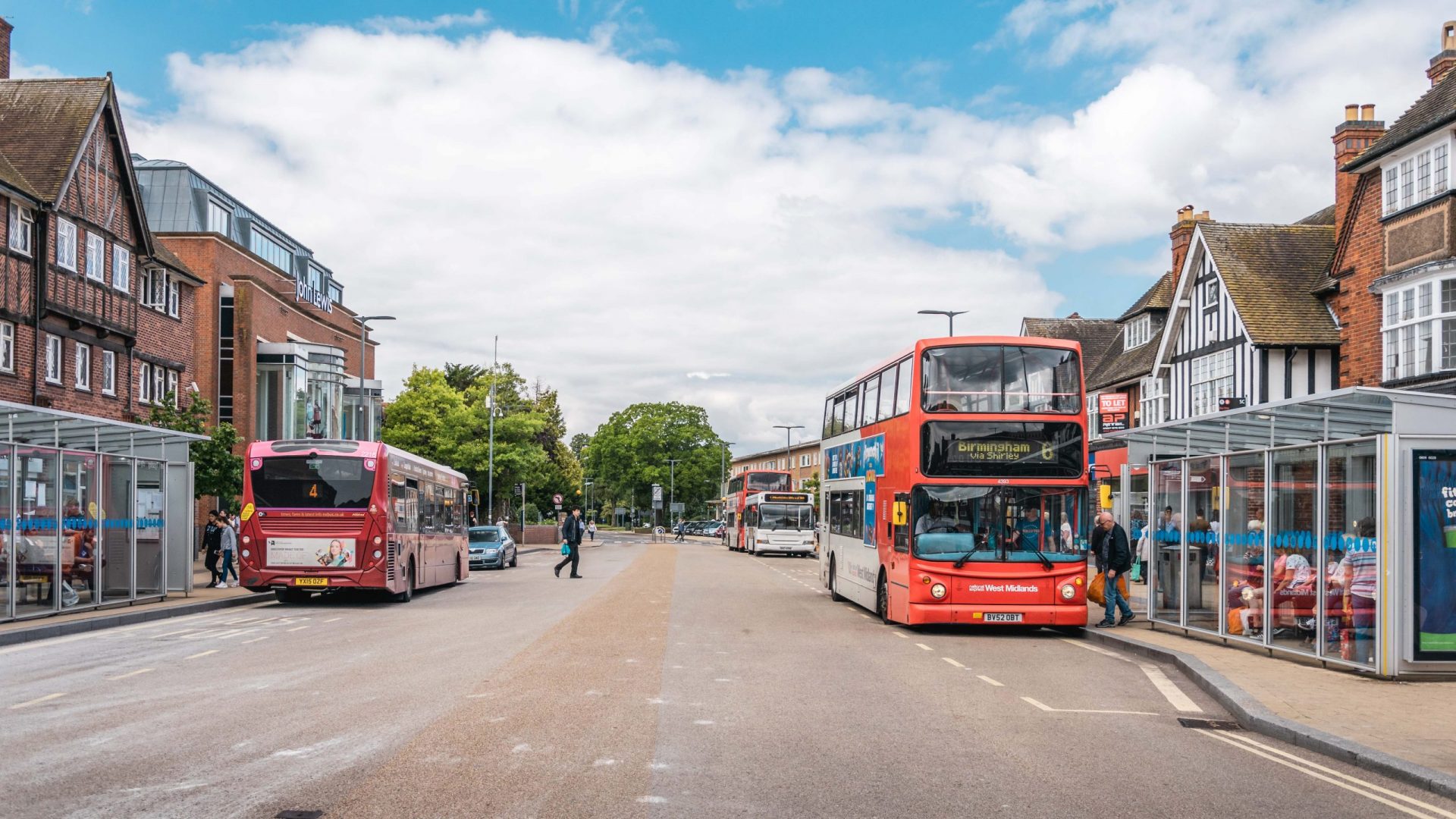
Mobility underpins human activity, connecting people to jobs, markets, opportunities and each other. The increasing ease and lowering cost of owning and running a motorised vehicle has led to an increased dependency on them to meet our primary mobility needs. However, for urban areas in particular, the high usage of these vehicles is presenting both environmental and social challenges.
Working closely with Transport for West Midlands (TfWM), the Low Carbon Future Mobility project is responding to these challenges.
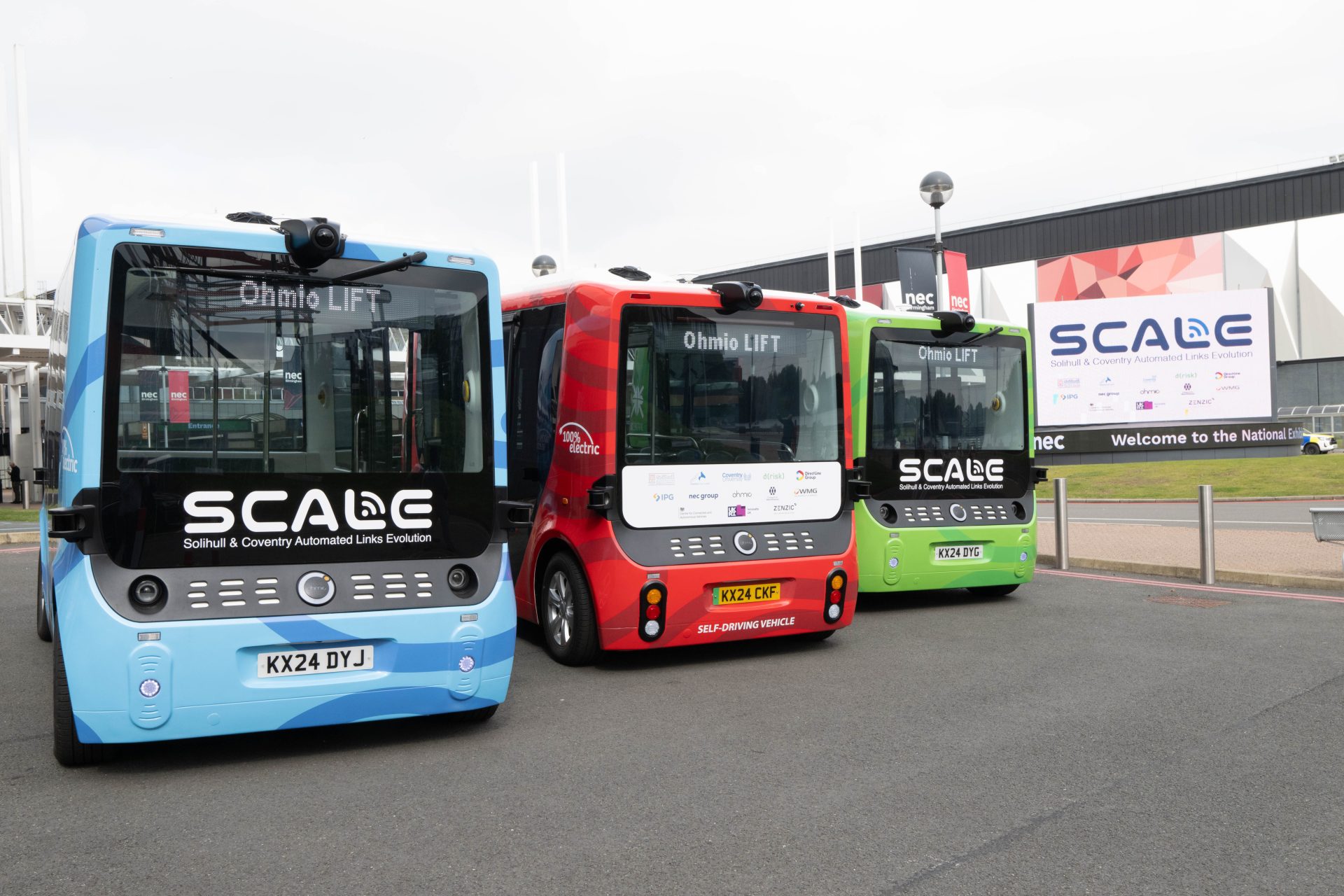
Recognising the productivity, health, environmental and experiential benefits of a modal shift away from single occupancy motor vehicles, the project is focused on identifying and addressing real-world transport challenges within the UK Central Solihull area. By harnessing data collected across multiple sources, working alongside partners, the project identifies optimum interventions and then works to introduce, incubate and scale-up the new or re-imagined mobility solutions, with a view to creating a compelling, reliable, efficient and affordable mobility eco-system that means the car can be left at home.
The project is working with private sector stakeholders to explore new technologies while encouraging cross sector innovation and investment.